SEO
How to Rank in Google AI Overviews in 2026: 9 Steps That Actually Work
This guide is part of our complete playbook on digital marketing for small business in India. Search your main keyword on Google today and there’s a good chance the first thing you…
This guide is part of our complete playbook on digital marketing for small business in India.
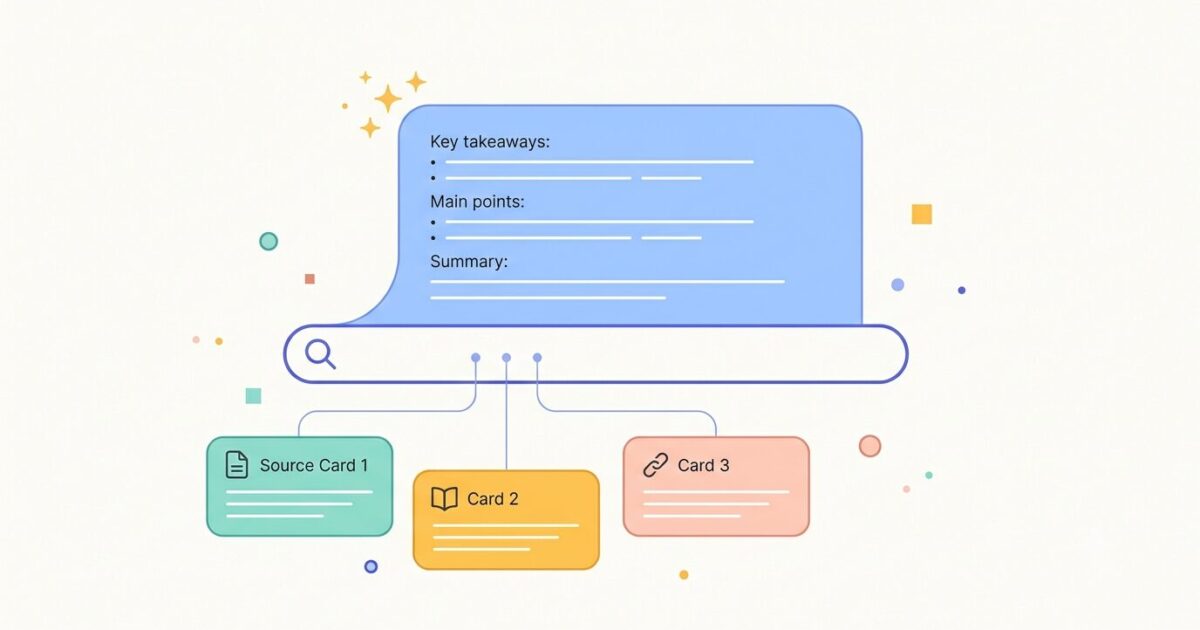
Search your main keyword on Google today and there’s a good chance the first thing you see isn’t a website — it’s an AI Overview: a generated answer citing a handful of sources. If your website is one of those sources, you win visibility, clicks, and authority. If it isn’t, your competitor does.
The good news: getting cited in AI Overviews isn’t magic, and it isn’t separate from SEO. It’s SEO done with more structure and more proof. Here’s the playbook we use.
First, how AI Overviews choose their sources
AI Overviews don’t invent answers from nowhere. Google’s systems retrieve pages that already rank well and are easy to quote, then synthesize an answer with citations. That means two things:
- You still need classic SEO. Pages buried on page 4 don’t get cited.
- You need “quotable” content. Clear, self-contained answers get lifted; rambling text gets skipped.
The same logic applies to ChatGPT, Perplexity, and other AI assistants — the industry calls this GEO (Generative Engine Optimization), and it overlaps about 80% with good SEO.
The 9-step playbook
1. Answer the question in the first 2–3 sentences
For every page, state the direct answer immediately, then elaborate. AI systems extract concise definitions and direct answers. A pattern that works:
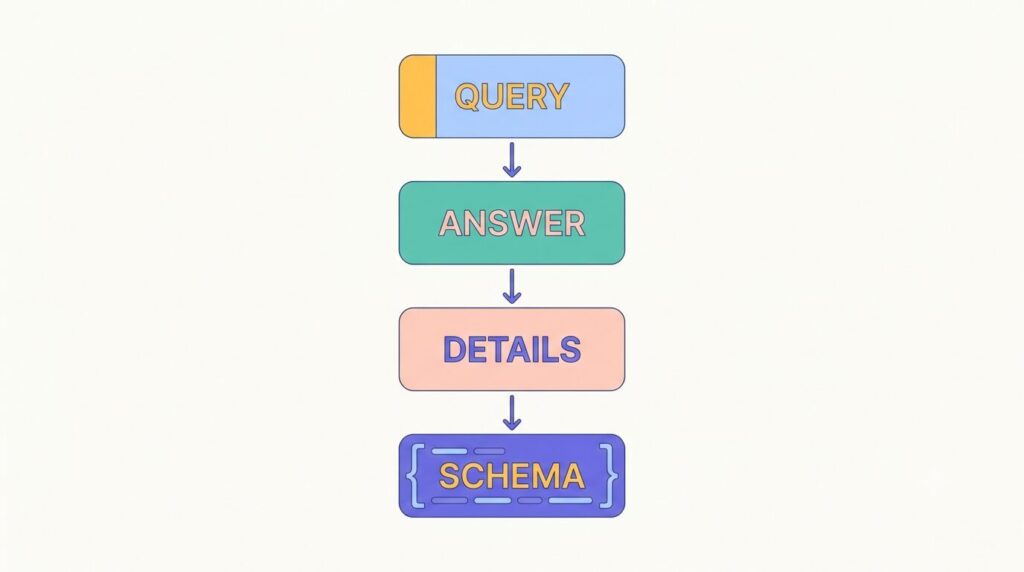
Question as H2 → 40–60 word direct answer → detailed explanation → example.
2. Target question keywords
AI Overviews trigger most often on question and informational searches: “how to”, “what is”, “why does”, “best way to”. Build content around the exact questions your customers ask — check Google’s “People Also Ask” boxes for your niche and answer each one properly.
3. Use strict heading hierarchy
One H1. Descriptive H2s that read as questions or claims. H3s for sub-points. AI retrieval works on chunks — clean structure makes every section independently understandable and citable.
4. Add FAQ and structured data (schema)
Mark up your pages with Article, FAQPage, HowTo, and Organization schema. Schema tells machines exactly what your content is, and machine-readable pages are easier to cite.
5. Include original numbers, examples, and first-hand experience
Generic advice is everywhere; AI systems favour sources that add something unique — a statistic, a case result, a real example. “We increased a client’s enquiries 3x in 5 months” is citable. “SEO is important” is not. This is Google’s E-E-A-T (Experience, Expertise, Authoritativeness, Trust) in action.
6. Build entity clarity
Make it obvious who you are: a complete About page, author bios with credentials, consistent name/address/phone everywhere, an up-to-date Google Business Profile, and Organization schema. AI systems cite entities they can verify.
7. Keep content fresh with visible dates
AI answers prefer current sources. Update key pages every few months, show “Last updated” dates, and refresh statistics annually. A 2023 article about a 2026 question rarely gets cited.
8. Earn mentions, not just links
AI systems learn about brands from across the web — reviews, directories, news mentions, Reddit and Quora threads. Consistent brand mentions in trusted places increase how often AI recommends you, even without a hyperlink.
9. Don’t abandon classic SEO
Google still drives the overwhelming majority of search traffic, and ranking in the top 10 remains the entry ticket to AI citations. Technical SEO, helpful content, and genuine backlinks are still the foundation — AI optimization sits on top of them, not instead of them.
What to measure in 2026
- AI Overview presence — search your key queries and note who’s cited
- Branded search growth — AI visibility drives people to search your name
- GSC impressions vs clicks — Overviews can raise impressions while shifting clicks; watch which pages still convert
- Leads — the metric that pays the bills
Frequently asked questions
Do AI Overviews reduce website traffic? For generic informational queries, yes — some clicks stay on Google. But cited sources capture higher-trust clicks, and commercial searches (“SEO agency near me”) still send visitors to websites. The losers are sites that are neither cited nor ranking.
Is GEO different from SEO? About 80% is the same: helpful content, authority, technical health. GEO adds an extra layer — quotable answer formatting, schema, entity building, and brand mentions across the web.
Can a small business appear in AI Overviews? Yes — often more easily than in classic rankings, because specific, experience-based answers to niche questions beat generic content from big publishers.
How long does it take? If you already rank in the top 10 for a query, structural changes can earn citations in weeks. Starting from scratch, expect the normal SEO timeline of 3–6 months.
Keep reading
Start here for the full picture: Digital Marketing for Small Business in India — The Complete 2026 Playbook.
Want your business cited by Google’s AI?
We build AI-ready SEO into every SearchVeda plan — structured content, schema, entity building, and the classic SEO that makes it all work. See what’s holding your site back:
👉 Book a free SEO audit or WhatsApp +91 79824 18699. Our full list of services is here.